Oaxaca: Architectural Heritage & Mezcal Artisans
By Editorial Desk · 111111
•Published April 12, 2025
•7 min reading time
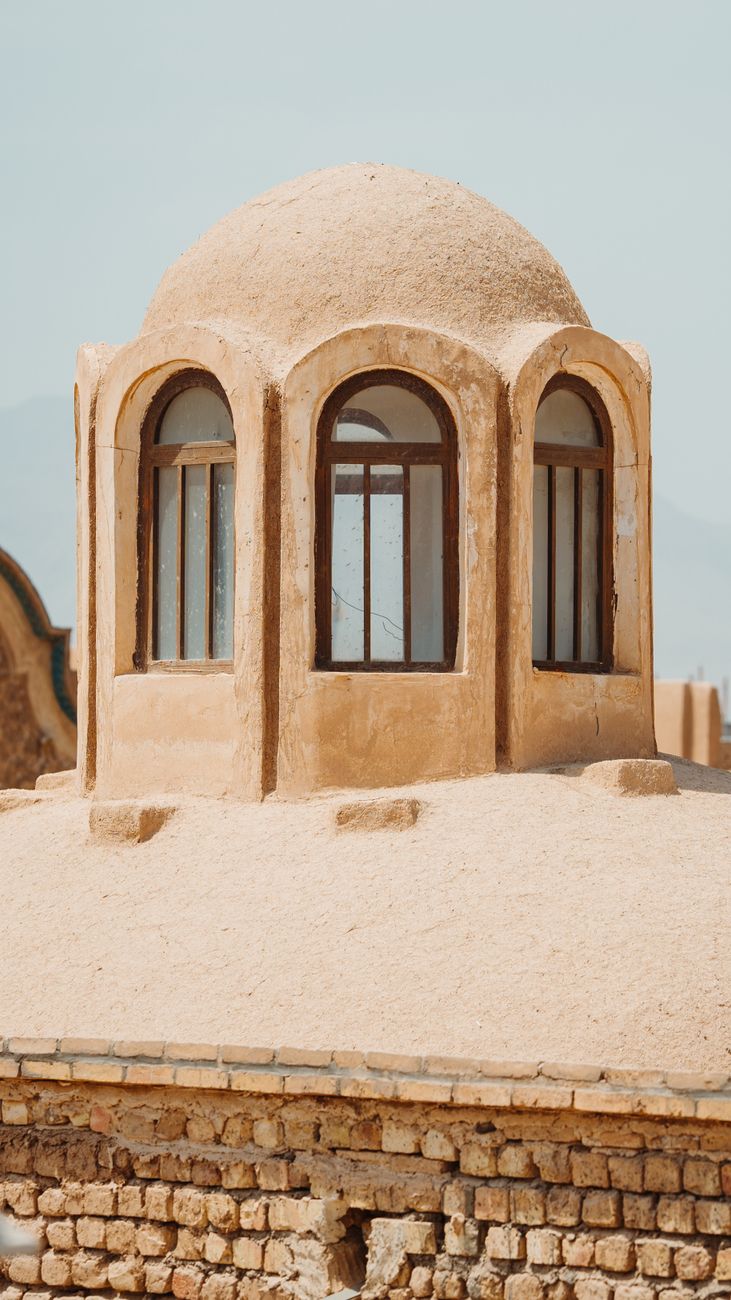
Fig. 3.0 — Sun-baked clay courtyard in San Jerónimo Tlacochahuaya.
Table of Contents
In the central valleys of Oaxaca, the horizon is anchored by ancient Zapotec ruins and dry mountain scrub. Here, civilization has always honored the earth beneath its feet. Red clay, woven agave fibers, and heavy timber form an enduring language of shelter and celebration.
1. Adobe, Lime, and Natural Geometry
Modern Oaxacan architecture has resisted glass towers in favor of vernacular materials: rammed earth, solar-cured adobe bricks, and hydraulic lime plaster tinted with mineral pigments. These structures breathe effortlessly in the semi-arid climate, maintaining comfortable cool interiors during searing afternoons and warming the night air.
Studios led by Mexican architects such as Mauricio Rocha have demonstrated how contemporary art centers and private estates can harmonize directly with ancient temple geometries.
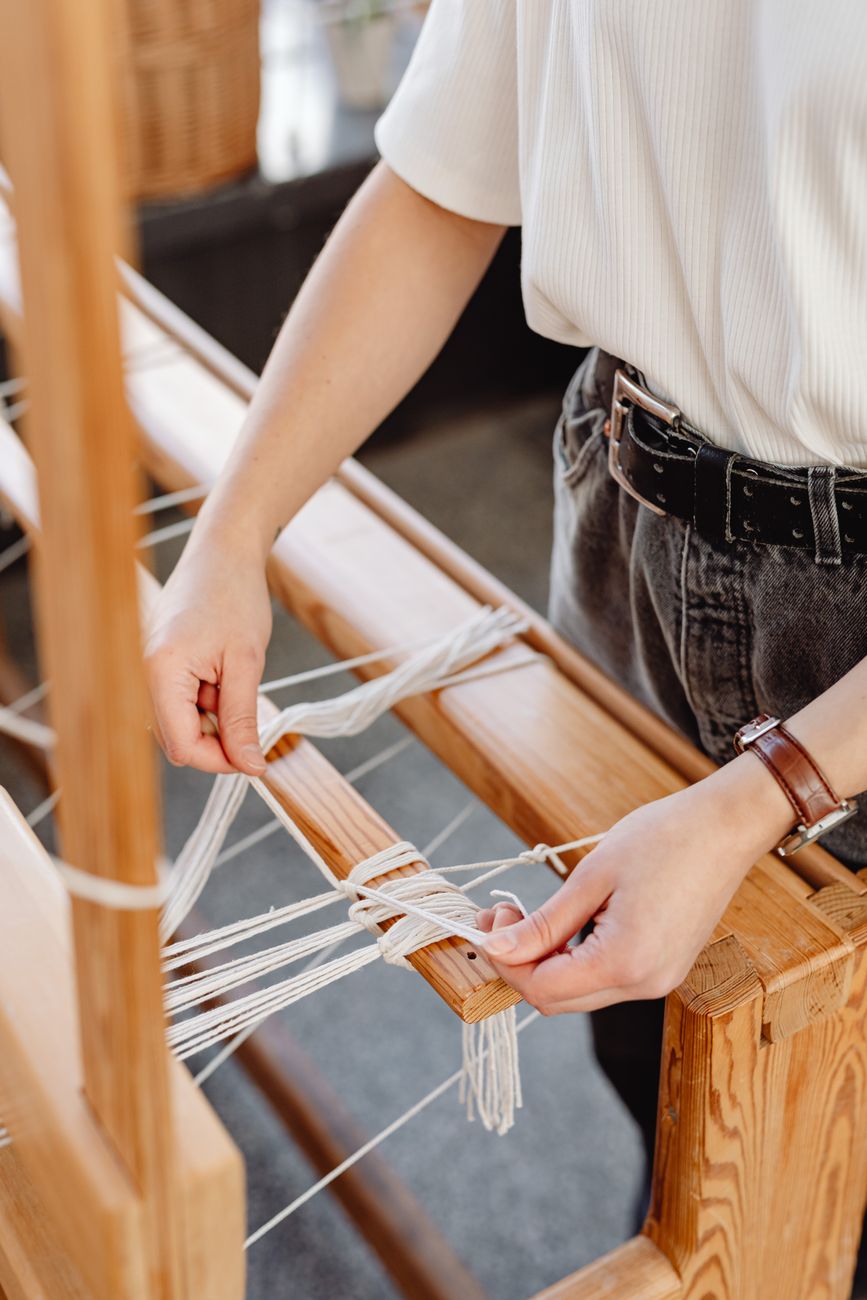
Fig. 3.1 — Indigo dye vat and hand-woven wool textiles in Teotitlán del Valle.
2. The Slow Fire of the Palenques
Beyond the colonial city lies the true engine of rural identity: ancestral mezcal distilleries (palenques). Unlike industrial spirits, true artisanal mezcal requires up to twenty-five years for wild agaves (such as Tepeztate and Tobalá) to mature under sun and rain.
Once harvested, the piñas are roasted in underground conical pits lined with volcanic stone and white oak firewood for five days, crushed with stone tahona wheels, fermented in pine wood vats with wild yeasts, and twice-distilled in hand-beaten copper stills.
3. Cultural Stewardship in the Valleys
Respectful travel here demands engaging directly with family workshops. From black pottery masters in San Bartolo Coyotepec to natural cochineal dyers in Teotitlán, ethical travelers ensure resources flow directly back to the families who have sustained these traditions across generations.
Commission a journey to Oaxaca
Access private architectural archives and vetted ancestral distilleries.