Dolomites: High Altitudes & Alpine Gastronomy
By Field Contributor · 111111
•Published April 29, 2025
•10 min reading time
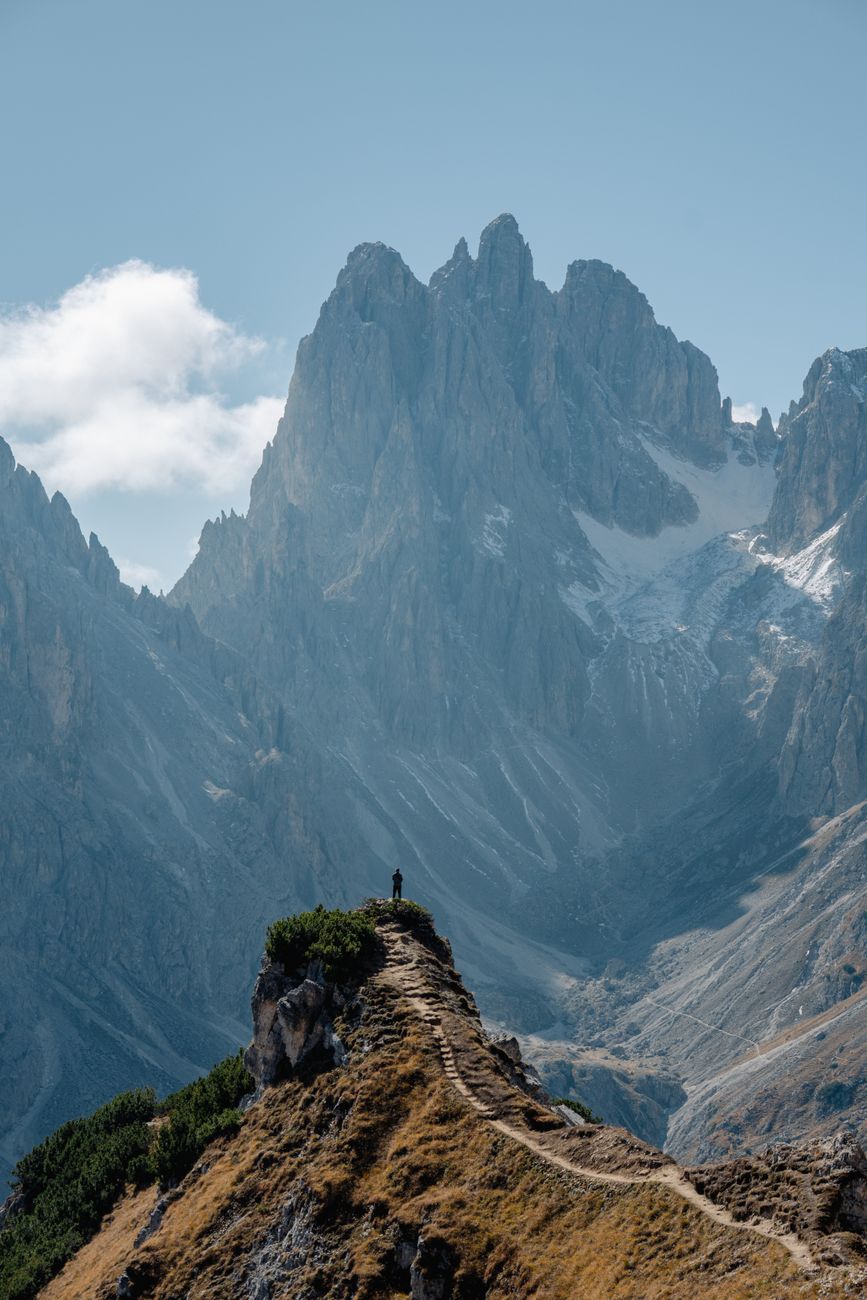
Fig. 2.0 — Pale limestone spires towering over the Val Badia valley at dusk.
Table of Contents
High above the tree lines of northern Italy, where fossilized coral reefs were thrust into jagged limestone monuments 200 million years ago, a quiet culinary renaissance has taken root. Mountain refuges (rifugi) once known only for hearty stews are embracing wild botanical foraging and regenerative agrarian methods.
1. The Mineral Architecture of Ladinia
The Dolomites possess an unmistakable light quality termed enrosadira: during sunset, the high magnesium limestone absorbs fading rays and glows with saturated pink and terracotta hues. In this stark vertical realm, the Ladin community has inhabited protected valleys for millennia, cultivating an architectural vernacular that relies on interlocking larch wood and rough stone masonry.
Today, contemporary architects collaborate with generational carpenters to erect climate-resilient shelters that echo the contours of surrounding scree fields while minimizing ecological disruption.
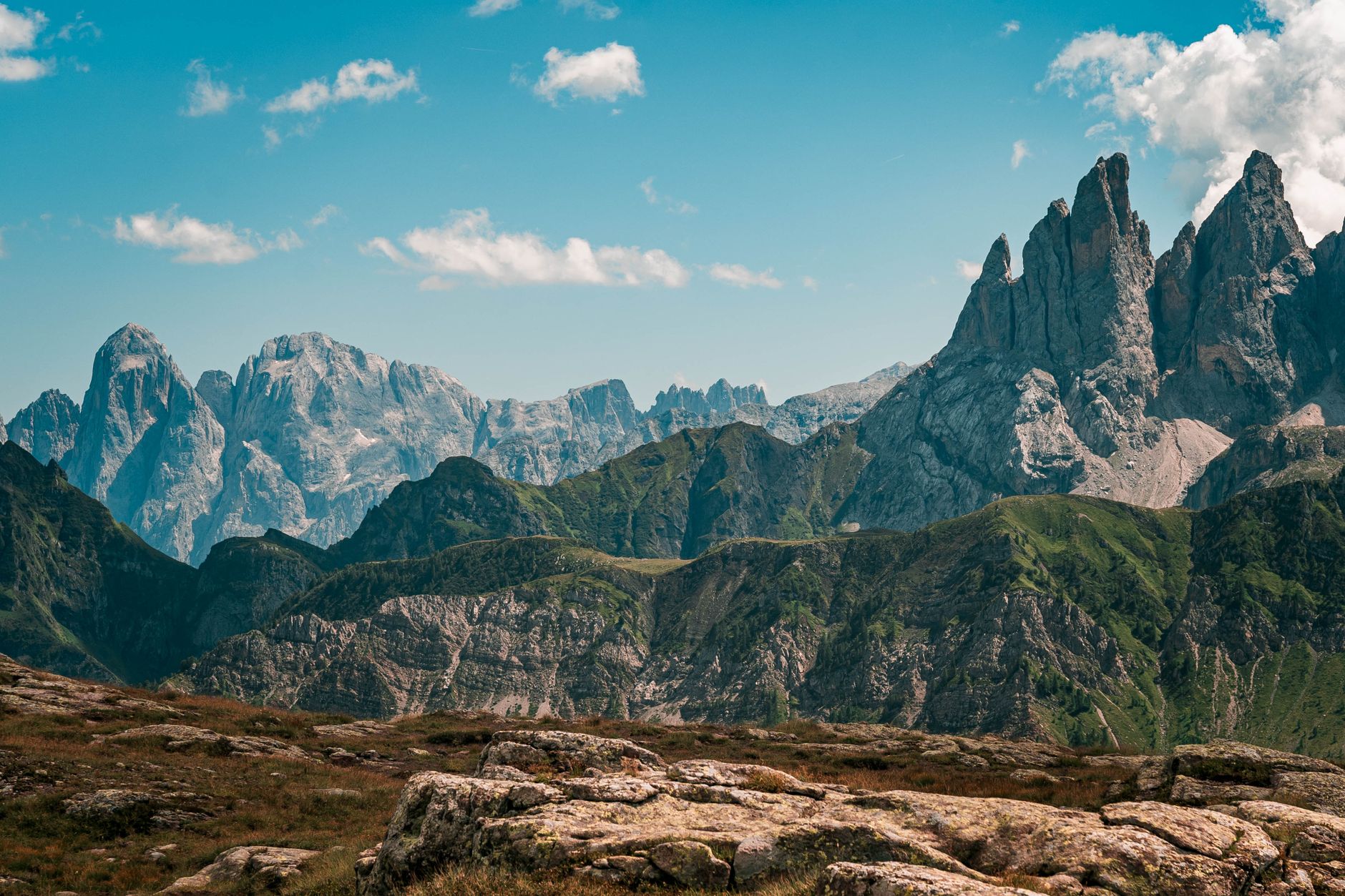
Fig. 2.1 — Refined alpine sanctuary balancing floor-to-ceiling glass and reclaimed local larch.
2. Wild Roots & Mountain Smoke
Alpine cooking here is not merely sustenance; it is a direct chronicle of high-elevation survival. Young chefs trained in European capitals have returned to their family rifugi, introducing fermentation and botanical foraging into traditional menus:
- Cimbrian herbs: Mountain savory, wild juniper berries, and pine shoot syrups infused into handmade rye breads.
- Heirloom dairy: Cheeses fermented from cows grazing exclusively on high-altitude summer flora at over 2,200 meters.
- Charcuterie smoke: Speck cured slowly with aromatic alder wood and cold cellar mountain air.
3. Staying in Contemporary Rifugi
To experience this intersection of gastronomy and landscape, hikers must traverse the Alta Via routes. Modern rifugi offer private pine-clad sleeping quarters, curated regional wine cellars, and silent terraces facing starry skies uncontaminated by urban glare.
Discover our South Tyrol expedition notes
We prepare private route mappings and lodge recommendations for discerning alpine hikers.